Course Content
About This Course
0/1
Lessons
0/30
Mindfulness Ocean Adventure (2)
About Lesson

innerU Mindfulness Ocean Adventure

Lesson 6 – Anchoring Like a Holdfast – Part 2


Slide Content
 Learning  Objectives: The objective of this lesson is for students to begin to understand the relationship between deep breathing and creating a sense of calm. Students to lean the concepts of fight, flight, and freeze and how slow breaths can help to make us feel grounded like a holdfast.

  • Review the benefits of anchoring ourselves like a holdfast helps us.
  • Explore times when practicing anchoring ourselves would be beneficial.
  • Learn the science behind why our breath might stop when we feel scared.
  • Practice anchoring ourselves with deep breaths.
Slide 1 lesson6 image1 Welcome: (2 mins) Hi everyone! Let’s start by taking three big whale breaths together. This time, imagine your breath traveling all the way down to your feet as you breathe in. (Guide students to take three slow, mindful breaths) Last week, we learned about kelp forests. What did you remember about them? (Possible answer: Kelp stay rooted at the bottom of the ocean using something called a holdfast. It helps then stay anchored in big storms.)
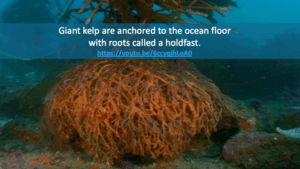
Slide 2 lesson6 image2 Review – Kelp & Holdfast: Magic Phrase: “Anchor with our breath like the holdfast.” Last week, when you paid attention to your breathing, some of you said deep breaths helped you feel calmer. Others said they still didn’t feel calm—and that’s okay! We all have different experiences, even when doing the same thing. Sometimes, taking deep breaths helps us notice if we’re feeling nervous or worried. Other times, it helps us feel more peaceful. Both are okay. What matters is learning to notice what’s going on inside. Let’s explore what’s happening in our “inner ocean” today.
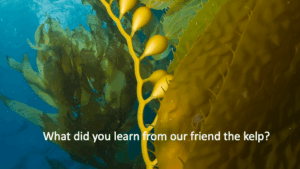
Slide 3 lesson6 image3 REVIEW PRACTICE: ANCHOR WITH OUR BREATH (6 mins):

  1. Ring bell) Sit tall and still like a Blue Heron, with your hands resting on your lap.
  2. When the bell rings, gently close your eyes.
  3. Notice how your body feels right now. Are you nervous? Calm? Frozen? Just notice, without trying to change anything.
  4. Imagine you are a giant piece of kelp anchored to the ocean floor. Your feet are like the holdfast—strong and steady on the ground.
  5. Now take three deep whale breaths. As you inhale, imagine your breath moving all the way down to your feet. As you exhale, gently let it flow out through your nose or mouth.
  6. What are you noticing? Do your shoulders feel softer? Are your muscles relaxing? Do you feel heavier or calmer?
  7. On your last breath, slowly open your eyes when you hear the bell. (Ring bell)

Reflection: What did you notice in your body while you were breathing like a whale all the way to your holdfast feet? Remember that there is no right or wrong answers. (Invite students to share and reflect their responses).

Slide 4 lesson6 image4 MAKE THE CONNECTION (5 mins):  Many of you noticed again this week that when we take a moment and slow down to take deep breaths, it helps us to feel calmer. It’s almost like magic!  Questions: When could you use the ANCHORING WITH OUR BREATH practice at school, at home, or in life when things are feeling stormy inside of you? (Lift up your hand to share).
Slide 5 lesson6 image5 Stormy Ocean Inside Us: Just like real oceans, our “inner ocean” can get stormy. That’s normal—it’s how our body protects us.But when we feel stormy too often, we need tools to calm down. That’s where the breath comes in!
Slide 6 lesson6 image6

New Idea: How Breathing Helps Us Feel Anchored

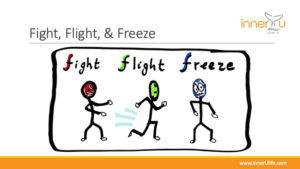
Have you ever noticed that your breathing gets really fast—or even stops—when you feel scared or worried? Why do you think that happens? When something feels stressful or scary, our body gets ready to protect us. This is something our brain does automatically to help us stay safe. It’s called the fight, flight, or freeze response. Here’s what that means:

  • Fight – Your body gets ready to be strong and protect you.
  • Flight – Your body gets ready to run away fast.
  • Freeze – Your body gets very still, and sometimes you stop breathing for a moment.

Why Does This Happen?

Our brain is trying to help us stay safe. But here’s the tricky part—our body doesn’t always know the difference between real danger (like a fire alarm) and small stress (like a spelling test). So, it might react the same way, even when we’re not really in danger. Let’s look at a short video to explain this: https://www.youtube.com/watch?v=kNg7svxj7r0

Why Should We Care?

If our body stays in fight, flight, or freeze too often, we can feel tired, have a hard time focusing in class, or even start to feel sick. But guess what? You have a superpower that can help: Your Breath!

Deep Whale Breaths to the Rescue

When we take slow, deep whale breaths, it’s like telling our body: “You’re safe now. You can calm down.” This helps our brain and body feel better. We can relax, focus more easily, and feel ready for the rest of the day.

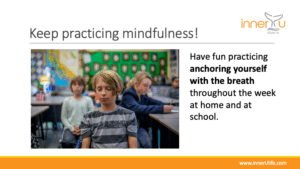
Slide 7 lesson6 image7 FUN EXPLORATION & CLOSING Smile, rejoice, and remind students to practice anchoring themselves with their breath throughout the week (at home or school) when they notice their inner ocean becomes stormy. 

Class Presentation – (Click Image to Download)
Class Presentation

Student Worksheet – (Click Image to Download)
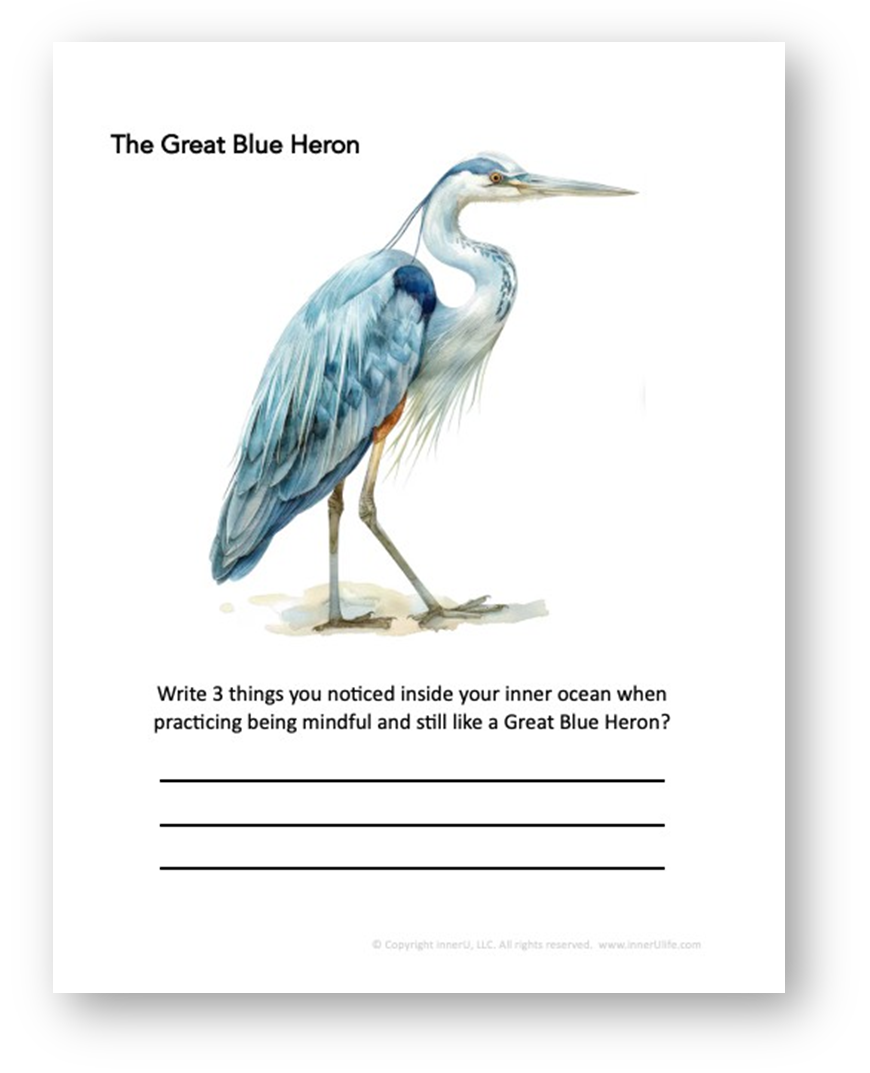
Student Worksheet

Resources

Bell

Bell
Audio Recording

Audio Recording
0% Complete